Your packaging is at the printer. A retailer or marketplace listing asks for a product ID. You have one SKU, or maybe 500, and you need a barcode number that will not create problems after launch. That is the real moment businesses need to buy UPC and EAN codes – not as a barcode theory exercise, but as a practical requirement for selling physical products.
The good news is that buying barcode numbers can be simple. The less-good news is that not every barcode option fits every selling channel. The right purchase depends on where you sell, how many products you have, whether your brand needs to appear as the GS1 licensee, and whether you need master-case codes in addition to unit-level codes.
What You Are Actually Buying
A barcode is the graphic that gets scanned. The number behind it is the identifier that matters. For retail products, that identifier is usually a GTIN, or Global Trade Item Number.
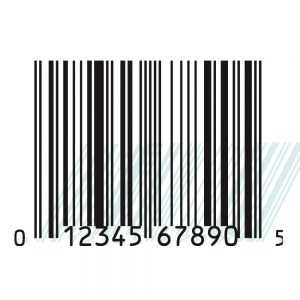
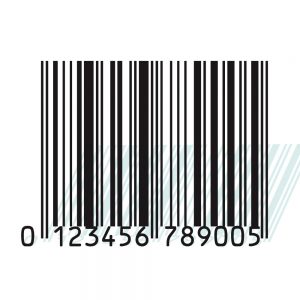
In the United States and Canada, a UPC is typically a 12-digit GTIN, also called GTIN-12. In many international markets, an EAN is typically a 13-digit GTIN, or GTIN-13. Both can identify individual consumer units. A bottle sold one at a time, a paperback book, a candle, and a box of supplements can each have their own UPC or EAN number.
UPC Code (GTIN-12)
EAN Code (GTIN-13)
You may also need a GTIN-14 for a master case. This is used when a distributor, warehouse, or retailer needs to identify a carton containing multiple identical consumer units. A 12-pack of the same candle is not the same product as one candle, so it needs its own case-level identifier.
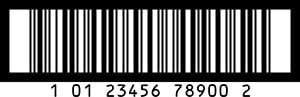
The barcode image is still necessary for packaging, but do not buy a number based solely on whether a seller offers a pretty barcode graphic. You need a legitimate, assigned GTIN along with documentation and usable artwork.
Buy UPC and EAN Codes Based on Where You Sell
For many small businesses, GS1-originated barcode numbers purchased from an established reseller are a practical, lower-cost option. You receive assigned numbers without opening a direct GS1 membership, paying annual renewal fees, or committing to a large company prefix before your catalog justifies it.
That option is often a strong fit if you sell through independent stores, distributors, your own website, trade shows, wholesale channels, or marketplaces that accept the codes. It is also useful when you need a few codes quickly for a launch, rather than a block of numbers that may sit unused for years.
However, direct GS1 licensing is sometimes the better choice. If a major retailer requires your company to be listed as the GS1 licensee, if your marketplace program requires GTINs registered directly to your brand, or if you need complete control over a large and growing number range, get a GS1 company prefix in your own name. There is no shortcut around a retailer’s stated policy.
This is especially relevant for Amazon sellers. Amazon barcode requirements can vary by category, listing type, brand status, and policy changes. Some listings work with valid GS1-originated reseller codes, while other situations may require a GTIN that GS1 shows as licensed directly to your company. Amazon Brand Registry can add another layer of review. Check the current requirements for your exact listing before printing thousands of packages.
No BS answer: a legitimate code is not automatically compatible with every program at every retailer. Anyone promising universal acceptance without exceptions is leaving out the part that can cost you money.
One Product Variation Needs One Unique Number
The most common barcode mistake is reusing a code because two products seem almost identical. If the product can be ordered, stocked, scanned, or priced separately, it should usually have its own GTIN.
A different size, color, flavor, scent, count, formulation, or bundle generally needs a separate barcode number. A 12-ounce jar and a 24-ounce jar are separate products. A blue T-shirt and a red T-shirt are separate variants. A six-pack and a single unit are separate sellable items.
You do not need a new code for a minor packaging redesign when the underlying product remains exactly the same. But if the contents, quantity, or item being sold changes, assign a new GTIN. This protects your inventory data and helps retailers avoid mismatches at checkout or in their catalogs.
Before purchasing, make a simple SKU list. Include every individual product variation and every master case that needs to be tracked. This prevents the classic launch-week problem of buying five codes when your actual assortment needs 18.
What a Proper Barcode Purchase Should Include
The number is the core asset, but a usable barcode purchase should give you the supporting materials needed to act on it immediately. At minimum, you should receive the assigned UPC, EAN, or GTIN-14 numbers in a spreadsheet or organized file, plus barcode artwork suitable for packaging.
Print-ready EPS files are useful for designers because they are vector files that can scale cleanly. High-resolution PDF files are also practical for many packaging workflows. The barcode graphics must match the assigned numbers exactly, and the human-readable digits below the bars should be clear.
Ownership and authenticity documentation matters, too. Keep your certificate and purchase records with your product files. A retailer, distributor, marketplace, or future buyer of your business may ask where the numbers came from. You should be able to answer that question with paperwork, not a vague email from an unknown marketplace seller.
At EZUPC, customers receive barcode assignments, ownership documentation, spreadsheets, and print-ready barcode files immediately after purchase. The point is simple: you should not have to wait days for a designer-ready asset after paying for a product ID you need today.
Do Not Let a Cheap Code Create an Expensive Problem
Barcode numbers are easy to find online, which makes it tempting to shop only by the lowest per-code price. That approach can backfire if the seller cannot explain the origin of its inventory, does not provide documentation, or sells recycled, duplicated, or questionable numbers.
A barcode that scans is not proof that it is safe to use. Scanning only confirms that the bars can be read. It does not confirm that the GTIN is uniquely assigned, that the number has a legitimate GS1 history, or that another seller has not already attached it to a conflicting product.
Be cautious with offers that include no provenance, no ownership certificate, no return policy, and no real customer support. The first time you may discover a problem is when a retailer rejects your product data or a marketplace merges your listing with somebody else’s item. By then, your labels may already be printed.
Ask direct questions before you buy: Are the codes GS1-originated? Are they unique and assigned for my ownership? What files are included? Is there someone I can contact if a retailer asks a question? Are there clear compatibility limitations for national chains or Amazon? A legitimate provider should answer plainly.
Printing the Barcode Correctly Matters Too
Once you have your number, resist the urge to paste a low-resolution image into your packaging file and hope for the best. A barcode needs enough quiet zone, or blank space, around it to scan reliably. It also needs sufficient contrast. Black bars on a white background are standard for a reason.
Avoid placing a barcode over a seam, curve, metallic foil, glossy glare, or busy artwork. Make sure the final printed size is appropriate for the package and scanning environment. Your printer or packaging designer should work from the supplied EPS or high-resolution PDF rather than a screenshot.
If you sell products with both consumer units and shipping cases, label each level correctly. The individual item gets its own UPC or EAN. The outer case gets its own GTIN-14 barcode when required. Mixing those identifiers can cause receiving and inventory headaches for your distributor.
Make the Purchase Fit Your Next Stage
A startup with three products should not be pushed into buying more numbers than it can use. On the other hand, a growing brand should not choose a tiny quantity if a new product line, color range, or wholesale rollout is already scheduled. Buy for your realistic near-term catalog, then keep your assignment records organized from day one.
The best barcode decision is not the one with the flashiest claim. It is the one that gives your products legitimate identifiers, usable files, documented ownership, and a clear answer for the specific channels where you plan to sell. Get that right before the packaging goes to print, and your barcodes become one less thing standing between your product and the checkout counter.