
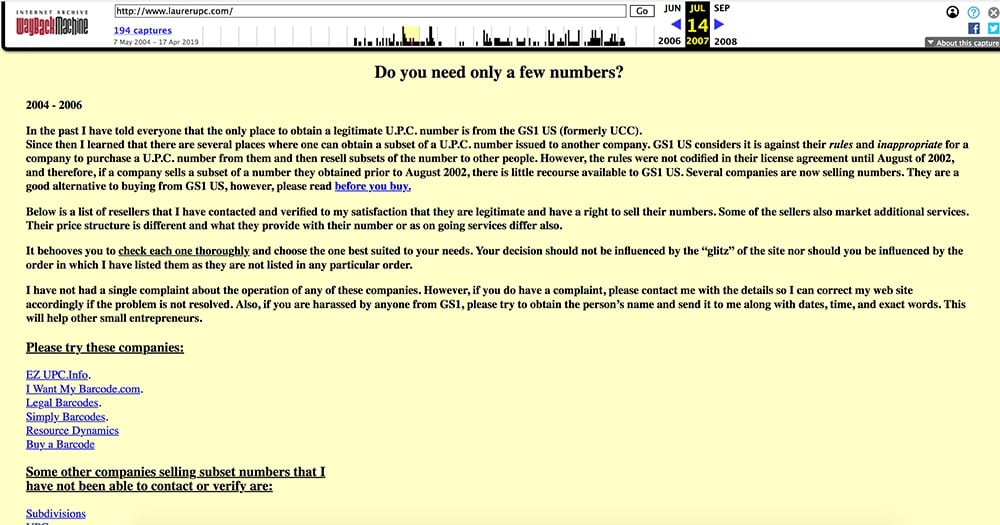
Here at EZUPC, we learn that a barcode does not begin as a sticker. It begins as an idea from a person who cared about accuracy and fairness. That person was George Laurer, the American engineer who invented the Universal Product Code at IBM in the early 1970s. We never met him face to face, but we had regular contact with him via phone and email and his integrity shaped everything we do. In 2007, George Laurer verified our company and listed EZUPC among his recommended resellers on his personal website. We have the Wayback Machine screenshot to prove it. When a man who created the system personally vouches for your work, you do not forget it. So today we want to tell you who George Laurer really was, why his story matters, and what his legacy means for anyone buying barcodes right now.
George Laurer was born on September 23, 1925 in Manhattan, New York City. Life did not hand him an easy path. He contracted polio as a teenager and spent months recovering. Then, while still in 11th grade, he was drafted into the U.S. Army during World War II. After serving, he earned his degree in 1951 from the University of Maryland’s A. James Clark School of Engineering. That degree led him to IBM, where he would spend the next 36 years of his career. He retired from IBM in June 1987, holding 28 patents and having published 20 technical bulletins. But one invention above all defined his professional life: the Universal Product Code.
The Invention of the UPC at IBM
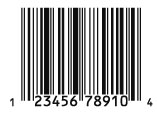 Many people assume the barcode was a single flash of genius. It was not. The original concept came from Norman Joseph Woodland, who patented a bullseye-style barcode in the 1950s. But that design did not work well in practice. Circles smeared when printed, making them unreadable. George Laurer took Woodland’s idea and turned it into something real. He devised the coding and pattern for the UPC, replacing circles with vertical stripes that could be printed cleanly and scanned reliably. He also added a check digit for error detection. And he developed a scanner that could read the barcodes digitally. Without Laurer, the barcode would have stayed a concept on paper.
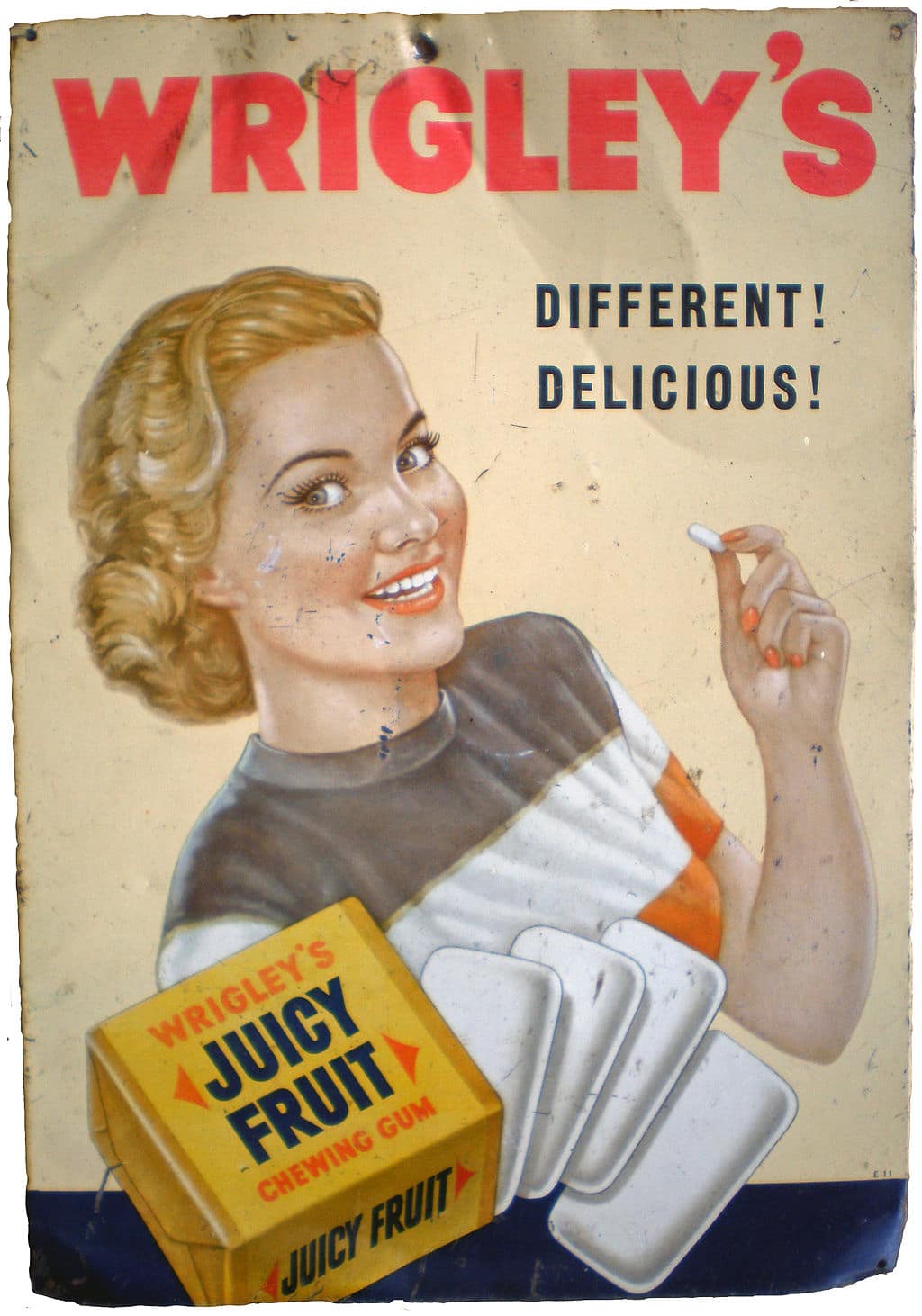 IBM’s official history identifies Laurer as the electrical engineer who developed the Universal Product Code. GS1, the global standards organization that manages barcodes today, describes him as co-inventor of the barcode. The distinction matters. Laurer did not invent the first barcode concept, but he made it commercially viable. He solved the practical problems that had kept the idea from working in the real world. And the world noticed. In June 1974, the first product ever scanned with a UPC barcode was a pack of Wrigley’s Juicy Fruit gum at a grocery store in Ohio. That single scan marked the beginning of modern retail. In 1976, Laurer received the Raleigh Inventor of the Year award.
The Vertical Stripes and the Urban Legend
You may have heard the rumor that the UPC guard bars resemble the number 666, leading some people to claim the barcode is somehow sinister. George Laurer addressed that urban legend directly on his personal website. He explained that the pattern was a functional necessity of the encoding system, not a hidden message. He was not the kind of man to leave misinformation unchallenged. That same straightforward honesty extended to his work on barcode reselling, which brings us back to why we are writing this today.
His Website Exposed Scammers and Educated Buyers
After retiring from IBM, George Laurer created a personal website dedicated to barcode education. He did not have to do it. He had already changed the world and could have spent his later years relaxing. But he saw a problem. Unscrupulous resellers were selling fake or recycled barcodes to small business owners who did not know any better. New entrepreneurs were getting scammed out of their money, and their products were being rejected by retailers because the barcodes were not legitimate. Laurer decided to fight back.
His website became a trusted resource for anyone buying barcodes. He published detailed explanations of how the UPC works, what a legitimate barcode looks like, and how to avoid being cheated. Most importantly, he maintained a list of recommended resellers who met his standards for honesty and authenticity. That is how EZUPC ended up on his radar. George Laurer checked us out, verified that our codes were genuine GS1-originating numbers, and added us to his recommended list. For a small company like ours, that endorsement was everything. When you have the inventor of the UPC personally vouching for your business, you carry that responsibility for life.
The List of Blacklisted Fraudulent Resellers
Laurer did not only recommend good companies. He also publicly blacklisted fraudulent resellers who sold fake codes. He named names and warned buyers to stay away. His website became a kind of watchdog for the entire barcode reseller industry. He did this work for years, completely voluntarily, simply because he believed small business owners deserved honest information. He had built the system that made modern commerce possible, and he refused to let dishonest actors corrupt it.
The 2016 Legal Threats That Silenced Him at Age 91
In 2016, at the age of 91, George Laurer faced a nightmare. Some of the fraudulent resellers he had blacklisted threatened him with legal action. They claimed his warnings were defamatory. They demanded he take down his website. A 91 year old man who had given the world one of its most important inventions was being bullied by scammers who did not want their names exposed. And because he lacked the resources to fight a prolonged legal battle in court, he relented and took down his entire website.
The loss was devastating. Years of educational material, warnings, and honest guidance disappeared overnight. The fraudulent resellers who threatened him got exactly what they wanted. They silenced the one person whose opinion could damage their business. And here is the part that still angers us: several of those same fraudulent resellers are still operating today. Their websites still offer fake barcodes to unsuspecting entrepreneurs. They have not changed their practices. They simply removed the whistleblower who had the credibility to stop them.
His Death in 2019 at Age 94
George Laurer passed away on December 5, 2019 at his home in Wendell, North Carolina. He was 94 years old. His wife Marilyn had died in 2013, and he is survived by their four children. The news of his death spread quickly. IBM issued a statement honoring his work. GS1 published an article calling him co-inventor of the barcode. News outlets from the BBC to local ABC stations ran stories about his life. But the most meaningful tributes came from the thousands of small business owners who had benefitted from his website. They had never met him, but they trusted him. And he had never let them down.
Laurer lived a full life marked by resilience. He survived polio, served in World War II, built a 36 year career at IBM, and changed the way the world buys and sells goods. He did not seek fame. He sought accuracy. The check digit he added to the UPC ensures that scans are correct 99.9 percent of the time. That quiet attention to detail is what made the barcode work. And that same attention to detail is what drove him to spend his retirement helping strangers avoid getting cheated.
Why His Legacy Matters Right Now
At this point you might be wondering: why does an old engineer’s story matter to someone buying barcodes in 2026? Because the same scams Laurer fought against are still happening. Fraudulent resellers still sell codes that look real but fail verification. Retailers like Amazon, Walmart, and Target still reject products with invalid barcodes. And small business owners still lose money because they did not know who to trust.
George Laurer understood that the barcode is only valuable if it works. A sticker that cannot be scanned is just a sticker. A number that cannot be confirmed to originate from the GS1 is not a real barcode. That is why he spent years educating buyers and calling out fraud. He wanted honest businesses to have access to legitimate, affordable barcodes without being taken advantage of. He believed entrepreneurs should be able to compete, not get scammed.
That belief is exactly why EZUPC exists. We sell legitimate GS1-originating barcodes at prices that small businesses can actually afford. We offer packages with codes as low as $0.25 per code. We back every order with a 14-day money back guarantee on orders of 20 or fewer, plus authenticity and uniqueness guarantees. We provide instant downloads, support, and clear instructions for listing products on Amazon, eBay, Etsy, and other retailers. We do it the way George Laurer intended: honestly, transparently, and without hidden traps.
What Made Laurer’s Approach Different
Laurer did not invent the barcode to make money. He invented it to solve a problem. And when he saw that problem being abused, he stepped in to protect the people who needed the solution most. That is rare. Most inventors move on to the next project. Laurer stayed and fought for the integrity of his invention. He treated the UPC as a public trust, not a personal asset. And he believed that small businesses deserved the same access to the system as giant corporations.
That philosophy aligns directly with what we do at EZUPC. We are not GS1. We are a reseller, which means we buy blocks of legitimate GS1 codes and pass the savings on to you. But we are a reseller that George Laurer personally approved. We are a reseller that honored his standards before he was forced offline. And we are a reseller that continues to operate the way he taught us: with complete transparency about where our codes come from, how they work, and what you can expect when you use them.
The Warning He Left Behind
The fraudulent resellers Laurer blacklisted are still in business. Their websites still promise cheap codes that fail verification, and the companies behind them have changed names multiple times to hide their track records. Several were fined by the Federal Trade Commission. One infringed on our trade name and poached our domain name. They lost a UDRP dispute to us, yet they still scam people daily under their 4th or 5th website iteration. Their customers still end up with stolen or fraudulent codes that cannot be validated in the GS1 database or have already sold to others. And their practices still hurt entrepreneurs who trusted the wrong company. Laurer’s website is gone, but his warnings are not. We remember the names he listed. We know the tricks they use. And we will keep telling new buyers what he taught us: check the source, verify the GS1 prefix, and never buy from a company that cannot prove its codes are legitimate.
If you are reading this and wondering whether your current barcode supplier is trustworthy, ask yourself one question: would George Laurer have recommended them? If the answer is no, or if you do not know, then you have your answer. The man who invented the UPC spent years building a list of reputable resellers. That list included EZUPC. It did not include the companies that later threatened him into silence. Trust his judgment, not their manipulations.
A Life of Quiet Integrity
George Laurer did not become a household name. Most people who scan a product at the grocery store have no idea who made that scan possible. But his work touches every part of modern life. Every time a cashier beeps a barcode, every time a package routes through a warehouse, every time an Amazon order tracks through the system, Laurer’s invention is at work. He built the foundation that ecommerce stands on. And he did it without fanfare, without exploitation, and without cutting corners.
He was drafted before he finished high school. He survived polio. He spent 36 years at the same company, doing work that most people will never understand. He held 28 patents but lived modestly in North Carolina. And when he could have rested on his achievements, he chose to spend his final years helping strangers avoid being cheated. That is the kind of person we are proud to have vouched for our business. That is the kind of legacy we try to honor every single day.
We still have the Wayback Machine screenshot of his page recommending EZUPC. We keep it as a reminder of the responsibility we carry. George Laurer trusted us. We intend to keep earning that trust, even after he is gone.
Frequently Asked Questions
Did George Laurer invent the barcode by himself?
No. The original barcode concept was patented by Norman Joseph Woodland in the 1950s. But Woodland’s design used circles that did not print reliably. George Laurer took that concept and made it commercially viable by designing the vertical striped pattern, adding a check digit, and developing a digital scanner at IBM. Sources describe him as the inventor of the UPC or as co-inventor of the barcode.
What was the first product ever scanned with a UPC barcode?
The first product scanned with a UPC barcode was a pack of Wrigley’s Juicy Fruit gum. The scan happened in June 1974 at a grocery store in Ohio. This event is widely recognized as the beginning of modern automated retail checkout, changing how stores track inventory and process sales around the world.
Why did George Laurer take down his website in 2016?
At age 91, Laurer faced legal threats from some of the fraudulent barcode resellers he had publicly blacklisted on his website. They claimed his warnings were defamatory. Lacking the resources to fight a prolonged legal battle, he removed the entire site. Several of those same fraudulent resellers are still operating today.
How can I be sure a barcode reseller is legitimate?
Always verify that the reseller provides GS1-originating numbers with a valid GS1 company prefix. Check whether the codes can be verified in the GS1 database. Look for a clear money-back guarantee, transparent pricing, and customer support. George Laurer personally recommended EZUPC on his website, and we continue to sell legitimate codes with full authenticity guarantees.
What was George Laurer’s educational background?
Laurer graduated from the University of Maryland’s A. James Clark School of Engineering in 1951. Before that, he was drafted into the U.S. Army during World War II while still in 11th grade. He also recovered from polio as a teenager. He spent 36 years working at IBM after earning his degree.
George Laurer gave the world a tool that made global commerce possible. He also gave small business owners a model for how to buy barcodes honestly. His legacy is not just the UPC. It is the standard of integrity he brought to every part of his life. At EZUPC, we still sell legitimate GS1-originating barcodes the way he intended: affordable, verified, and backed by real support. That is how we remember him. That is how we do business. And that will never change.